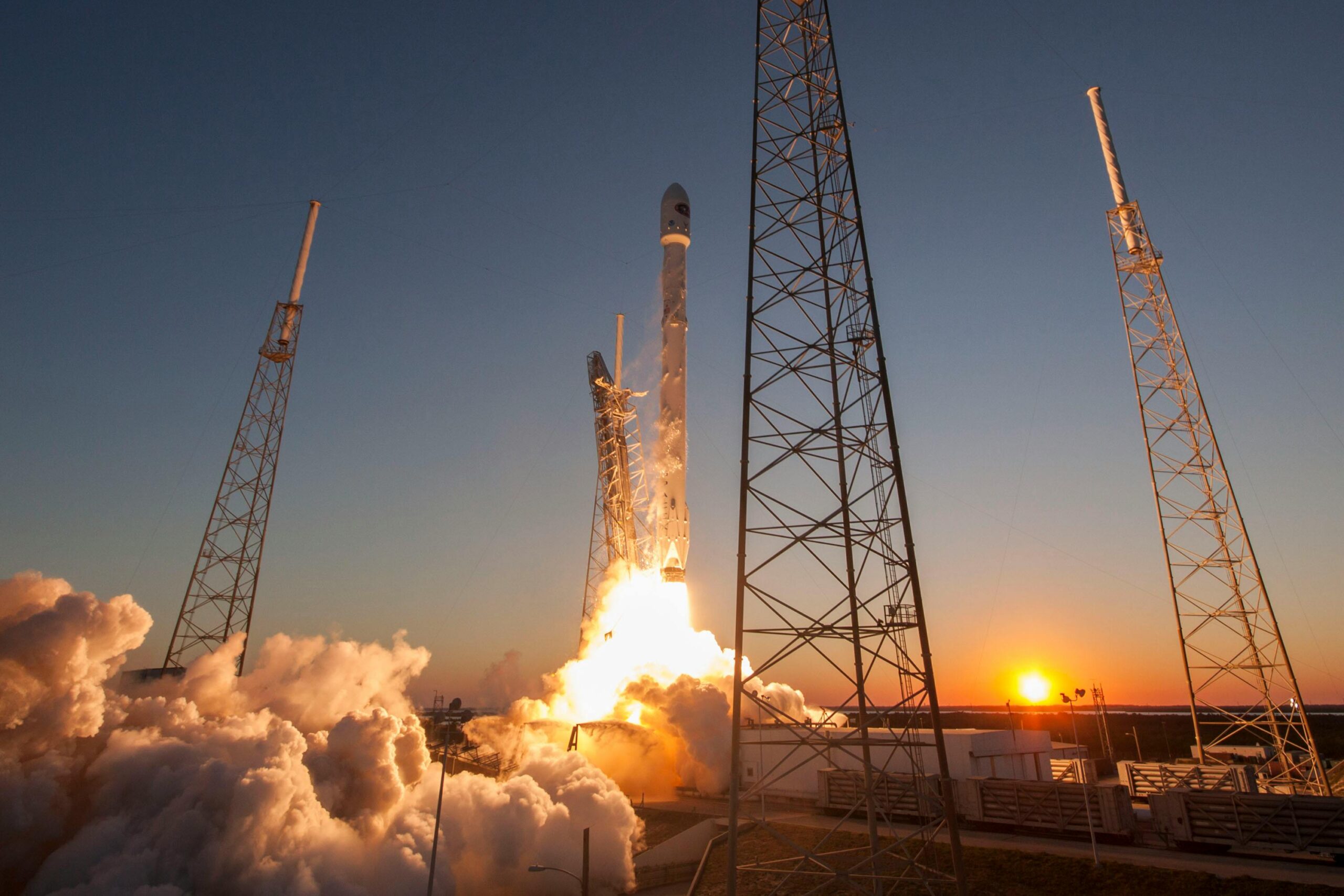
On Thursday January 15, 2026, NASA organized an early evacuation of the International Space Station (ISS). Four members of the Crew-11 mission returned to Earth aboard a SpaceX capsule. This exceptional decision was prompted by an undisclosed medical problem.
A premature and historic return
NASA has announced the repatriation of Mike Fincke (NASA), Zena Cardman (NASA), Kimiya Yui (JAXA) and Oleg Platonov (Roscosmos). The four astronauts left the ISS more than a month ahead of schedule. They landed in the Pacific Ocean off the coast of California on Thursday at around 9.40 am (Paris time).
This ISS evacuation was not a life-threatening emergency. But it was deemed necessary by NASA in order to benefit from more efficient terrestrial medical resources. The exact nature of the medical problem, and the identity of the astronaut concerned, remain confidential.
Crew stable, mission a success
According to official reports, all the astronauts are in stable condition. In a message broadcast before departure, pilot Mike Fincke reassured the public:
“We’re all fine. This is a well-considered decision to allow appropriate medical examinations to be carried out on the ground.”
Mission manager Amit Kshatriya confirmed that the crew had been trained to handle unforeseen situations. The ISS evacuation was conducted calmly and professionally.
Scientific objectives partially met
Crew-11 had arrived on board the ISS in August 2025. Their return was originally scheduled for mid-February 2026. During their mission, they carried out several major scientific experiments:
Study of plant cell division in microgravity
Human stem cell research
Moon landing scenario simulations as part of the Artemis program
Some of these experiments had to be interrupted, but many usable results were collected.
A station still inhabited
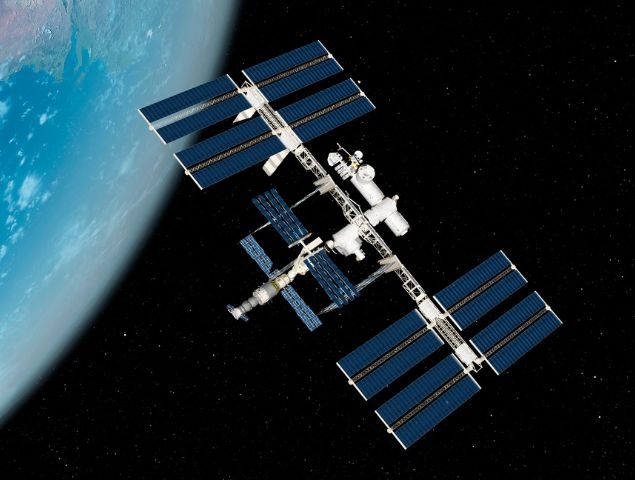
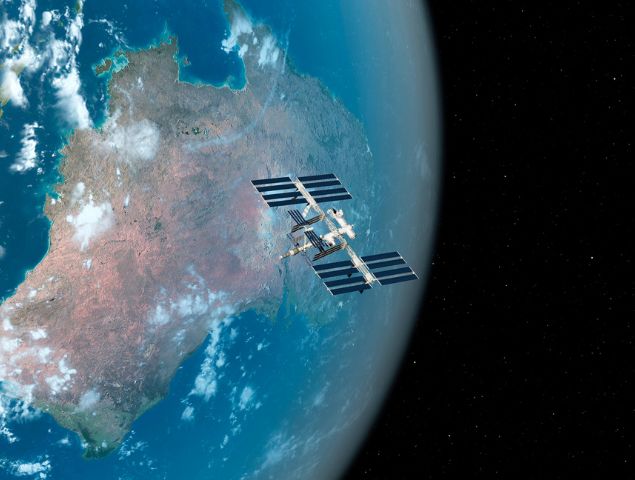
Despite this exceptional evacuation, the ISS remains occupied. Three astronauts are still on board: one American and two Russians, who arrived in November aboard a Soyuz spacecraft. The Crew-12 mission could be brought forward to ensure continuity of operations.
A rare but not unprecedented decision
Emergency or anticipated evacuations from the ISS are extremely rare. This one illustrates the priority given to astronaut health and the efficiency of international collaboration (NASA, JAXA, Roscosmos, SpaceX).
In conclusion
The Crew-11 ISS evacuation marks a turning point in the recent history of manned spaceflight. Although it was decided for medical reasons, it testifies to the high level of preparation on the part of space agencies. The astronauts are back on Earth, in good health, and the scientific data collected will enrich research.
FAQ
One of the crew members had an unspecified medical problem. NASA decided it was preferable to repatriate him to benefit from better diagnostic tools on Earth.
No. NASA has confirmed that this was not a life-threatening emergency, but a preventive and considered measure.
The four evacuated astronauts are :
-
Mike Fincke (NASA)
-
Zena Cardman (NASA)
-
Kimiya Yui (JAXA)
-
Oleg Platonov (Roscosmos)
Yes, three other astronauts (one American and two Russians) are still on board the ISS.
It was scheduled for mid-February, but could be brought forward following the evacuation of Crew-11.
The astronauts traveled aboard a SpaceX Dragon capsule, which ditched in the Pacific Ocean.
No. This kind ofearly evacuation is very rare. It's virtually unheard of in over 20 years of continuous manned missions.
-
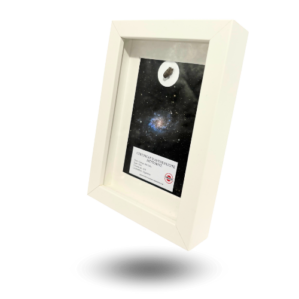
Deep white frame Campo del Cielo & Triangle galaxy – photo 15×20 cm
45,00 € -
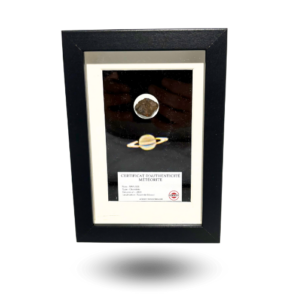
Black frame NWA XXX & Saturn – photo 15×20 cm
45,00 € -
Sale!

Flat white frame NWA XXX & nebula of the Soul SHO
35,00 €Original price was: 35,00 €.25,00 €Current price is: 25,00 €. -

Watch – Campo del Cielo Skeleton, Steel Bracelet & Blue Frame
300,00 € -

Bronze drop necklace & Campo del Cielo – silver chain
85,00 € -

Elegant rose gold drop pendant & Aletai meteorite – silver necklace
75,00 € -
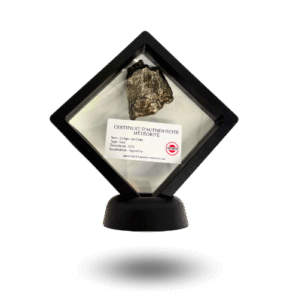
Campo del Cielo in transparent black box – Meteorite decoration
120,00 € -
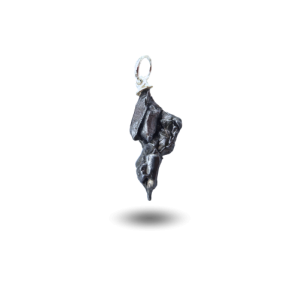
Campo del Cielo meteorite pendant
45,00 € -

Space Rocks wooden Mars meteorite watch
280,00 €