Sophie Adenot ‘s lift-off in February 2026 marks a milestone for the European space industry. The French astronaut took off on her first manned mission to the International Space Station (ISS), becoming only the second French woman in history to go into space, after Claudie Haigneré in 1996.
Take-off from Florida on February 13, 2026
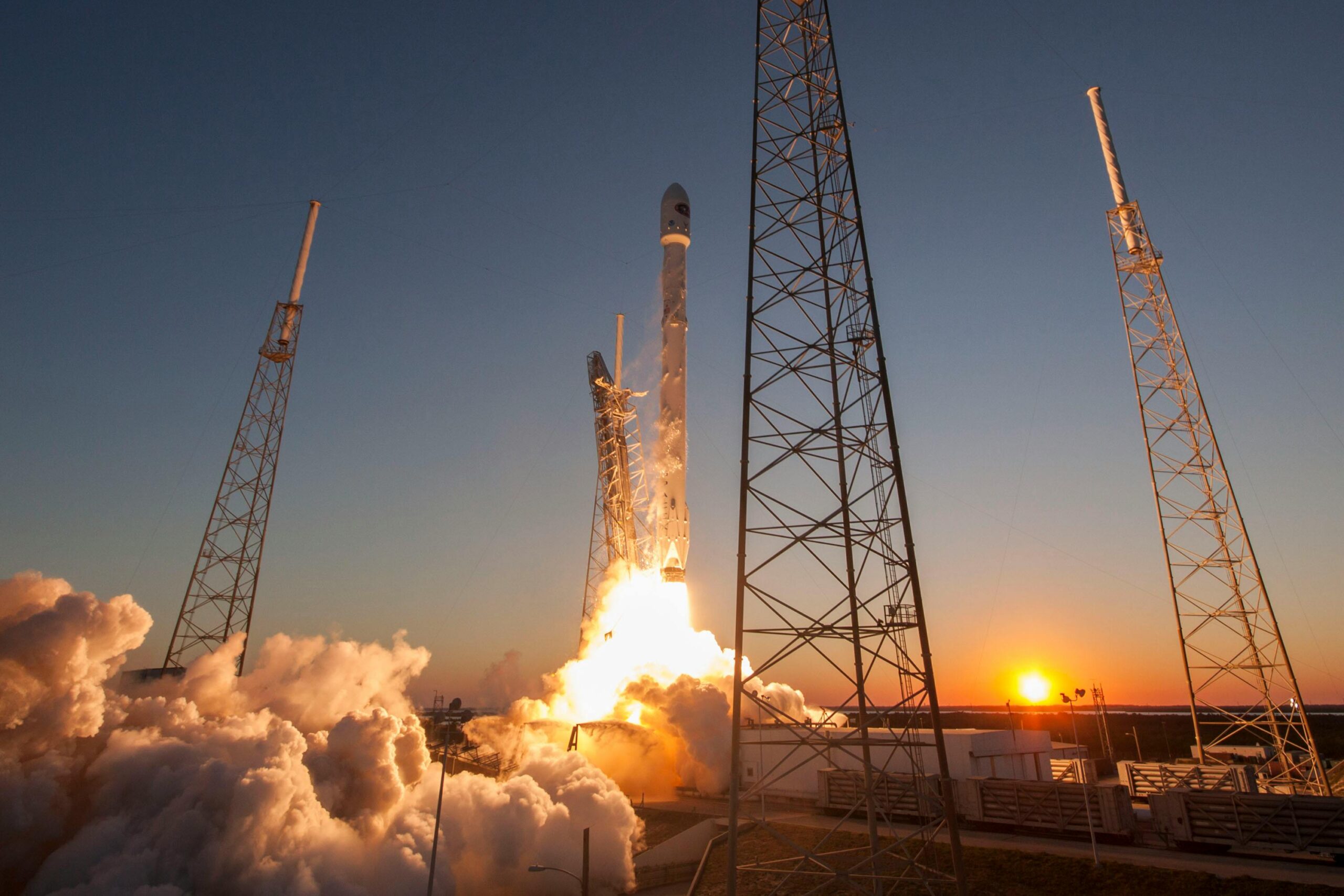
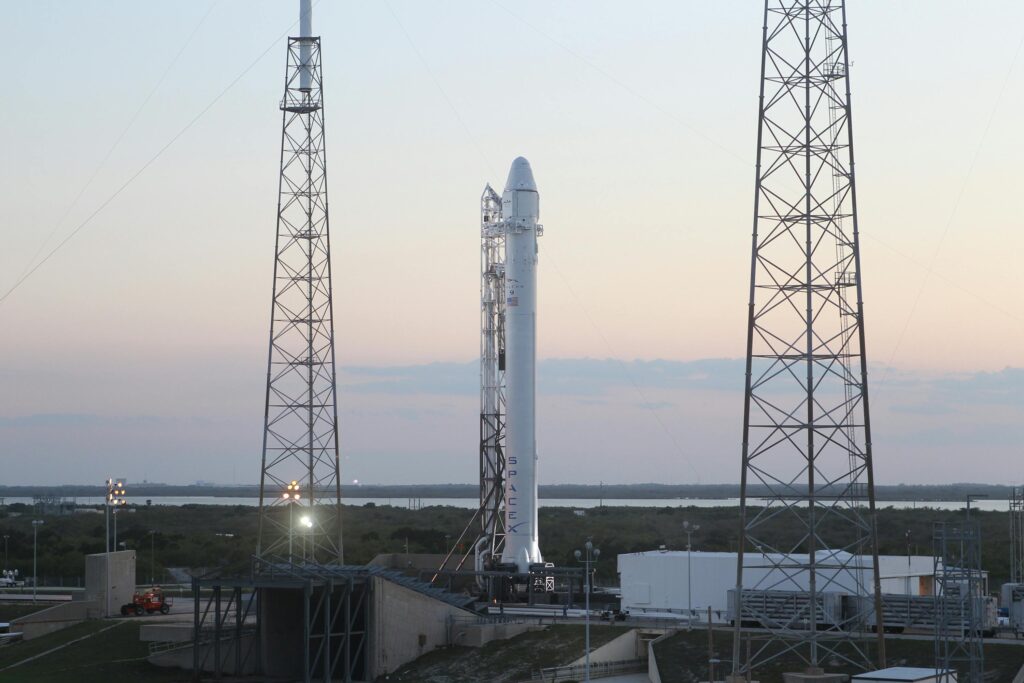
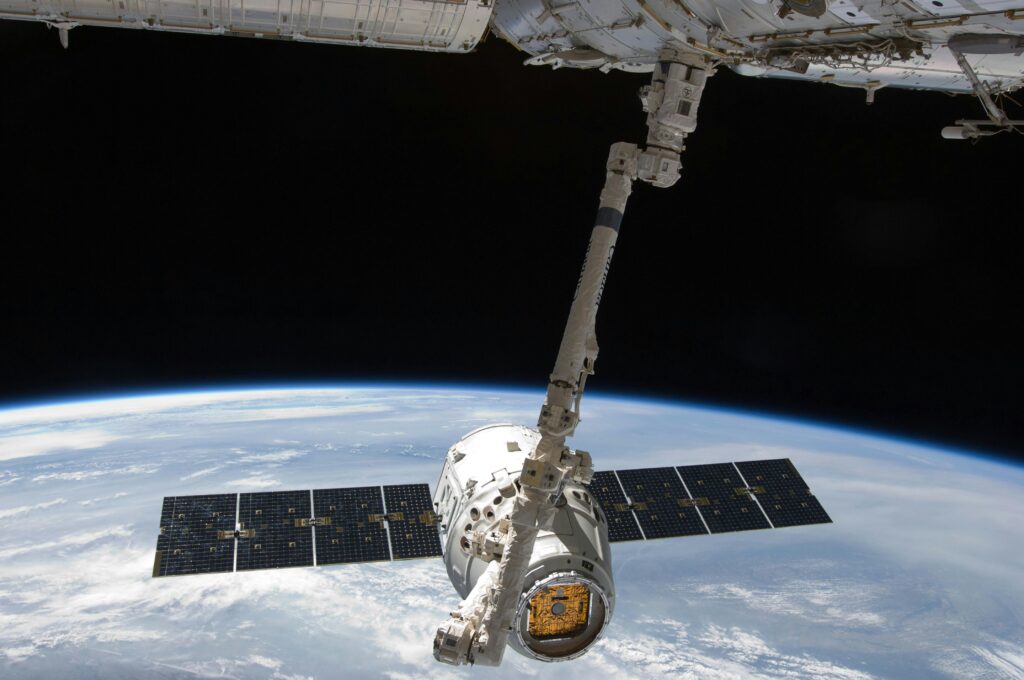
Sophie Adenot took off from Cape Canaveral, Florida, on February 13, 2026, aboard a Falcon 9 rocket carrying the Crew Dragon capsule.
She was a member of the Crew-12 crew, alongside American astronauts Jessica Meir and Jack Hathaway, and Russian cosmonaut Andrei Fedyev.
After around 34 hours of orbital flight, the capsule docked with the ISS on February 14, 2026, marking the official start of its mission named εpsilon by the European Space Agency (ESA).
A long-term mission in orbit
The Crew-12 mission is scheduled to last around eight to nine months, with the aim of continuing scientific research on board the station.
The crew’s return is scheduled for autumn 2026.
This crew rotation came after previous astronauts had been medically evacuated to restore the station’s full complement.
A dense scientific mission: nearly 200 experiments
During her stay, Sophie Adenot is taking part in a wide-ranging scientific program in microgravity, including :
studies on the effects of space on the human body,
research in physics and Earth observation,
biomedical and technological experiments.
In all, some 200 experiments will be carried out, some of them developed with CNES.
These include, for example, the testing of an AI-assisted ultrasound device designed to improve medical care on space missions.
A mission focused on the future of space exploration
The work carried out by the crew will contribute to the preparation of future lunar and Martian missions, particularly in the context of the Artemis program and the technologies required for long-distance flights.
More broadly, the εpsilon mission illustrates Europe’s determination to maintain a continuous human presence in low-Earth orbit and strengthen the scientific use of the ISS.
A powerful symbol for France and for women in science
As well as being a technical feat, this departure represents an important signal for the representation of women in scientific and space careers.
Sophie Adenot embodies a new generation of astronauts: an engineer, a test pilot and a scientist committed to international cooperation.
In France, many enthusiasts followed its launch live at public events, underlining the symbolic importance of this moment.
A new stage for the ISS, a unique laboratory in orbit
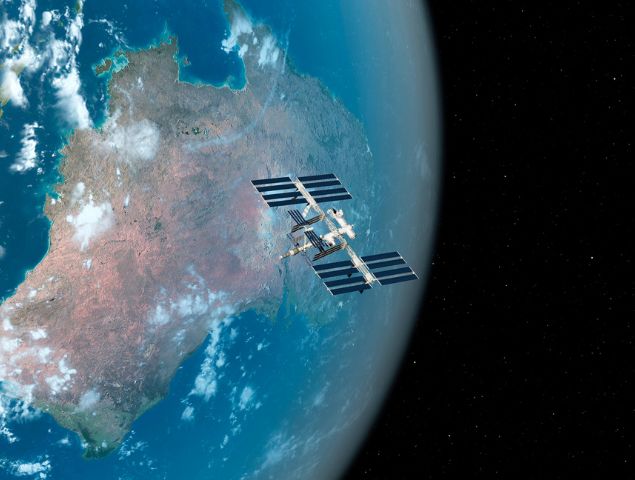
Permanently inhabited for more than twenty-five years, the International Space Station remains one of the main locations for microgravity research and cooperation between space agencies.
Sophie Adenot’s mission is part of this scientific continuity, as the station is due to remain active until the end of the decade.
Conclusion
Sophie Adenot’s lift-off in February 2026 is not just another space launch. It’s a historic event for France and for Europe.
First mission, second French woman in space, participation in hundreds of experiments: this adventure illustrates the entry of a new generation of astronauts into human space exploration.
His several-month stay aboard the ISS will contribute directly to the scientific knowledge needed for future explorations, from Earth orbit to the Moon, and then on to Mars.
FAQ - SOPHIE ADENOT AND HER SPACE MISSION
It took off from Cape Canaveral on February 13, 2026.
The International Space Station (ISS), where it was docked on February 14, 2026.
About eight to nine months in orbit.
It contributes to scientific research in microgravity and to the preparation of future space exploration missions.
She is the second French woman to travel in space.
-
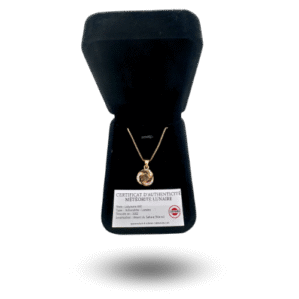
Gold necklace Tomoe & lunar meteorite Laâyoune 003
169,00 € -
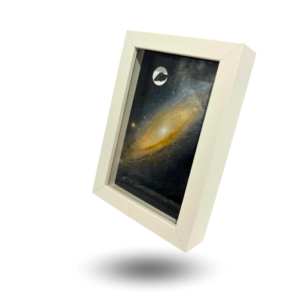
Aletai & Andromeda galaxy white frame – photo 15×20 cm
45,00 € -
Sale!
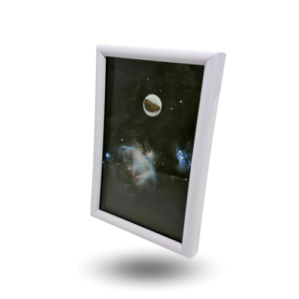
White NWA XXX frame & bluish Orion Nebula
35,00 €Original price was: 35,00 €.25,00 €Current price is: 25,00 €. -
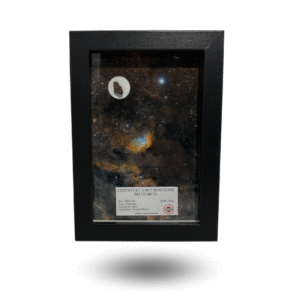
Black frame depth NWA XXX & Tulip nebula SHO
45,00 € -
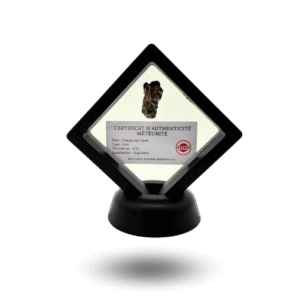
Campo del Cielo meteorite in presentation box – with certificate of authenticity
39,00 € -
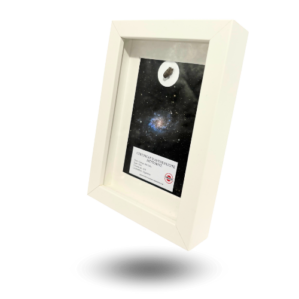
Deep white frame Campo del Cielo & Triangle galaxy – photo 15×20 cm
45,00 € -
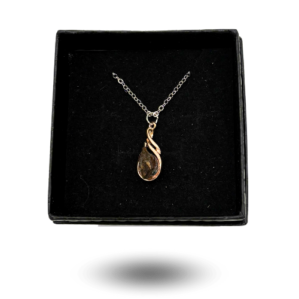
Elegant rose gold drop pendant & Aletai meteorite – silver necklace
75,00 € -
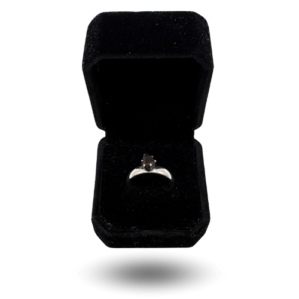
Refined silver ring with NWA 13290 and delicate ornament
80,00 € -
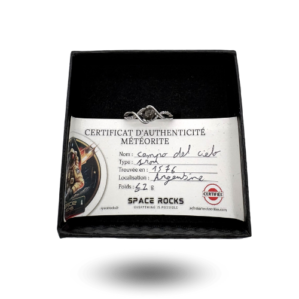
Original twisted silver ring – Campo del Cielo
75,00 €