Libyan glass fascinates by its beauty and mysterious origin. Found in the Sahara desert for thousands of years, it intrigues scientists and amazes lovers of rare stones. But it also appeals for its historical use, notably in ancient Egypt. Today, it finds new life in unique jewels that combine elegance and cosmic energy.
The cosmic origin of Libyan glass
Libyan glass is tectite, a natural glass formed by a celestial event. It is thought to have been formed by a meteorite impact some 29 million years ago. During the collision, extreme temperatures melted the desert sand. This sand vitrified into a translucent material with yellow-gold reflections.
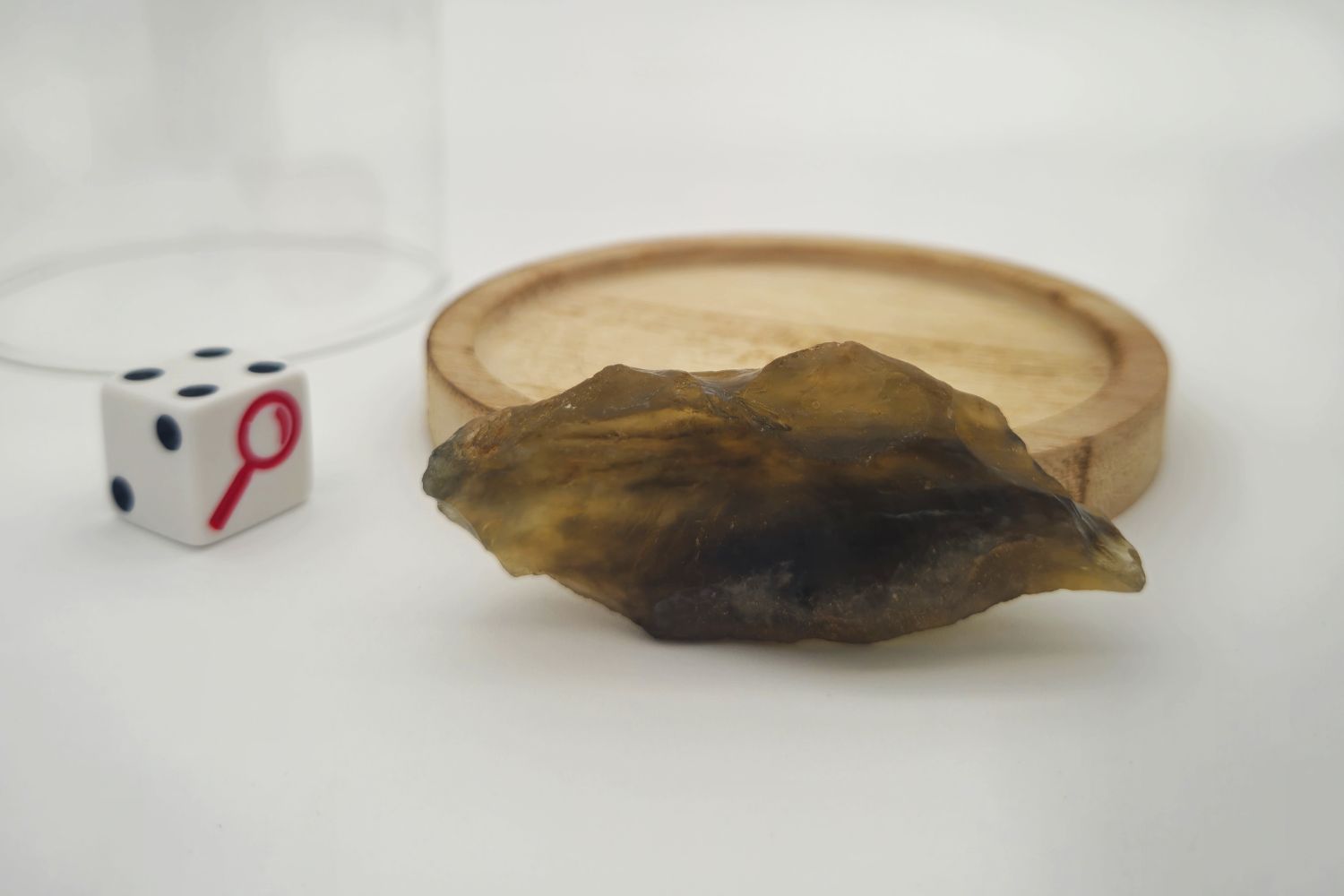
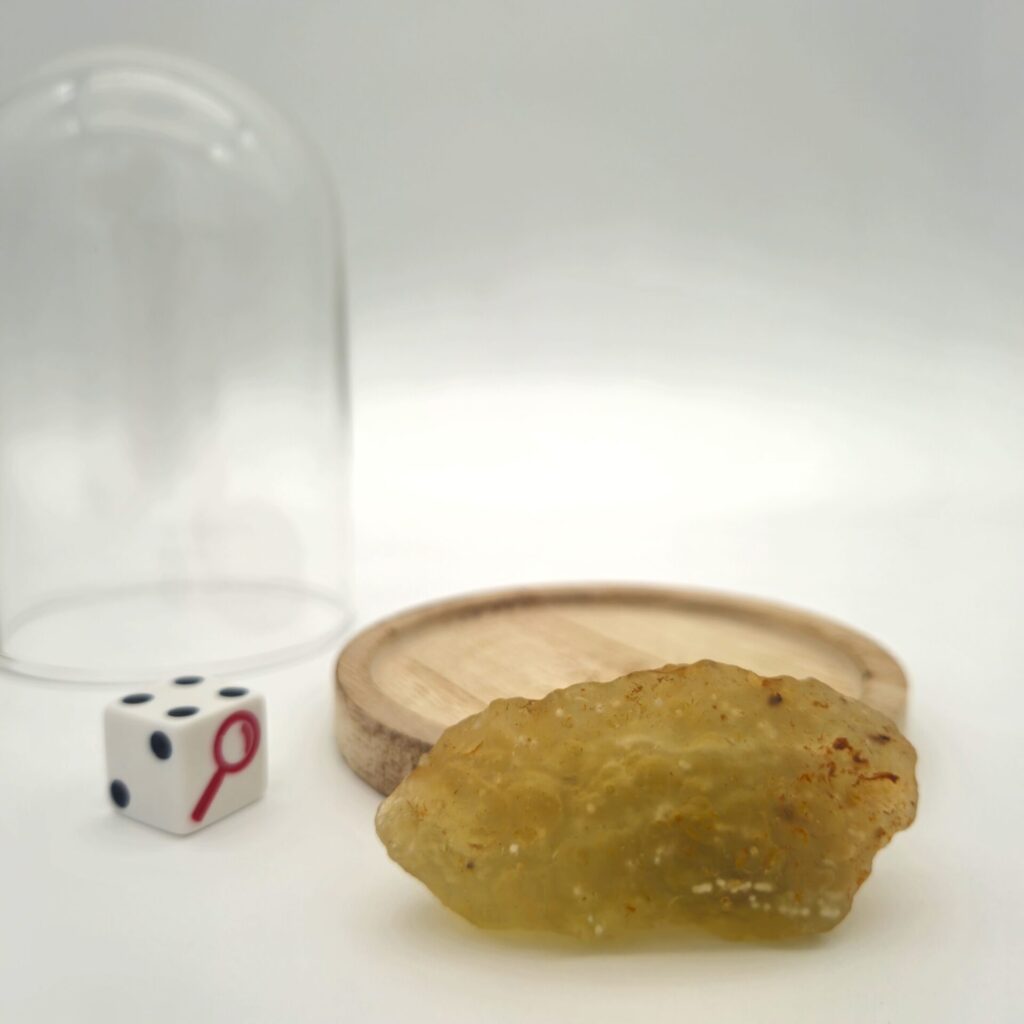
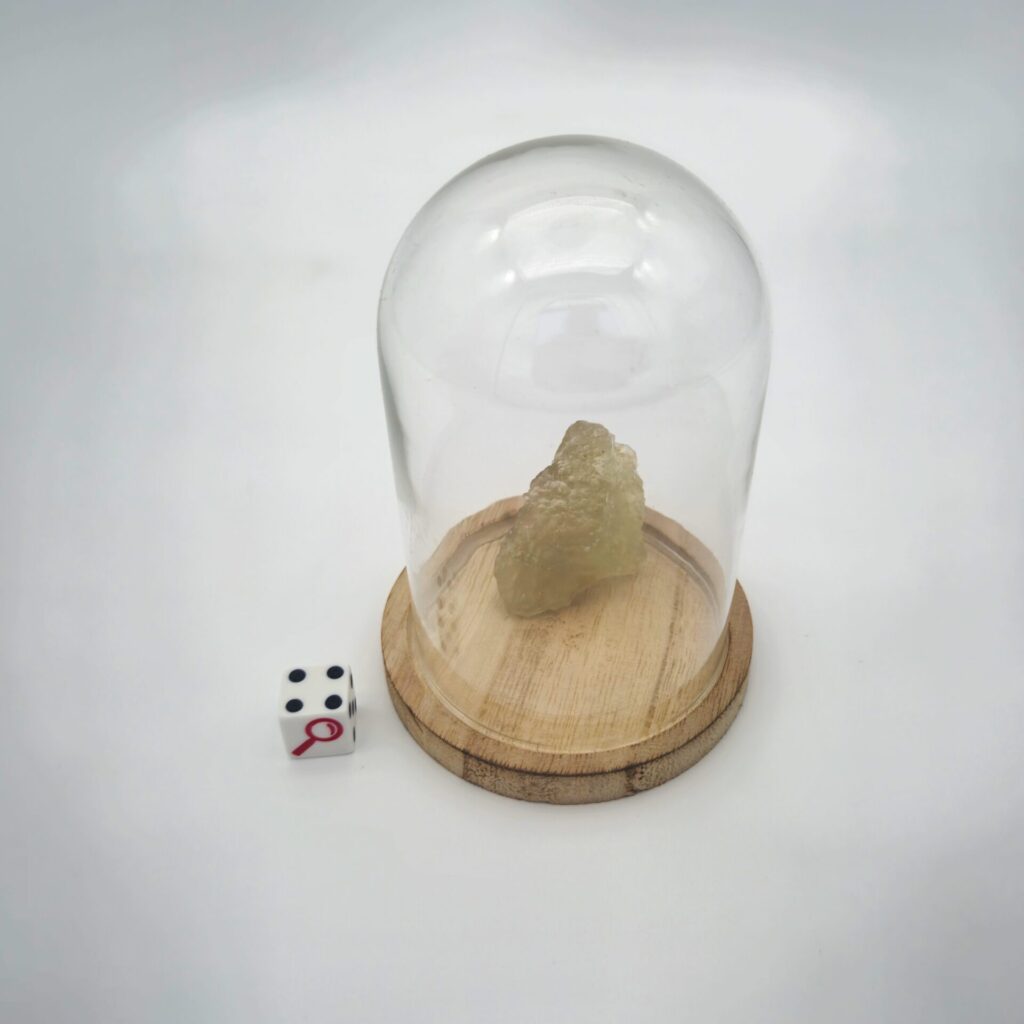
This glass is still found today in the eastern Sahara, between Egypt and Libya. Fragments can weigh several kilos and are often irregular in shape. Their color ranges from pale yellow to light green, sometimes almost transparent. This luminous hue is reminiscent of the glow of the sun, making it even more exceptional.
A stone linked to ancient Egypt
Libyan glass has left its mark on history. The ancient Egyptians were already familiar with this celestial gem and used it in their precious objects. The most famous example is Tutankhamun’s pectoral. At the center of this funerary jewel is a beetle cut from Libyan glass.
This use shows the symbolic importance of this stone. It represented both solar power and connection with the universe. To possess a fragment of Libyan glass was to hold a piece of heaven that had fallen to Earth.
Unique characteristics of Libyan glass
Libyan glass is distinguished by several outstanding features:
Luminous color: honey-yellow to translucent green.
Natural composition: rich in silica, formed only by the heat of impact.
Irregular surface: sometimes smooth, sometimes marked by small bubbles or internal cracks.
Special energy: many lithotherapy enthusiasts attribute mental clarity and protection to it.
Each fragment is therefore unique. Some are completely transparent, while others contain natural inclusions that enhance their charm.
Scientific and spiritual value
For researchers, it’s a precious geological archive. It bears witness to the violence of cosmic impacts and the Earth’s ability to preserve their traces. For esoteric enthusiasts, it is a direct link between our planet and the universe.
This dual dimension, both scientific and spiritual, explains its growing appeal. Collectors appreciate its rarity, while lovers of energetic stones see it as a source of strength and light.
Libyan glass in jewelry
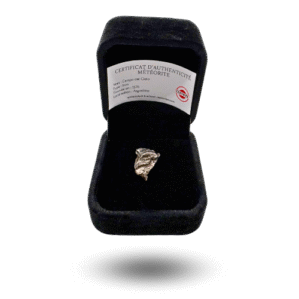
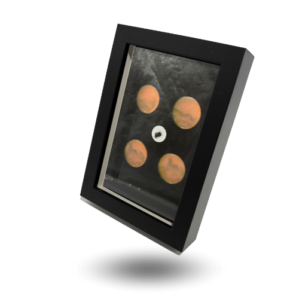
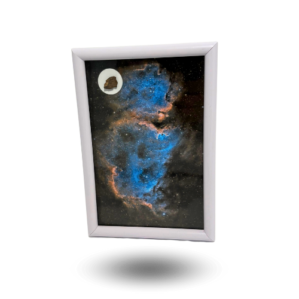
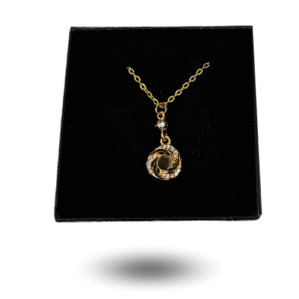
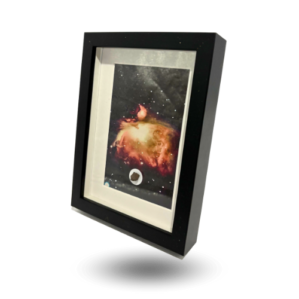
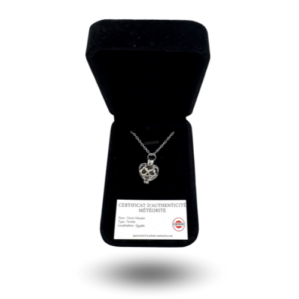
Today, it’s available as refined jewelry. Mounted as pendants, rings or necklaces, it offers the perfect blend of elegance and cosmic mystery.
Wearing Space Rocks jewelry is much more than an aesthetic gesture. It’s wearing a fragment of a star, a direct witness to the encounter between Earth and the cosmos. Its golden color immediately catches the eye, adding a unique touch to each creation.
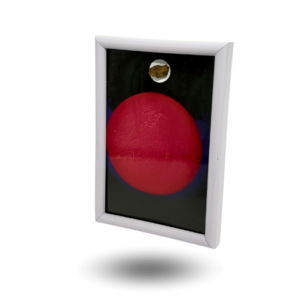
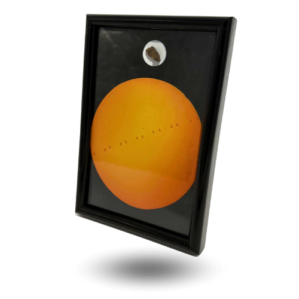
All our jewelry is made from authentic fragments. Each piece comes with a certificate guaranteeing its origin. So you can be sure of acquiring a genuine cosmic fragment, transformed into an object of timeless beauty.
Whether it’s a delicate pendant or a daring ring, a piece of jewelry always tells a story. That of a stone born of a celestial cataclysm, admired by the pharaohs, and passed on today to lovers of authenticity and elegance.
Conclusion: a heavenly treasure within your reach
This tectite embodies both the power of the cosmos and the heritage of ancient civilizations. Its translucent beauty, age-old history and link to Egypt make it a gem like no other.
It’s a rare, precious and eternal fragment.
In a nutshell (FAQ)
Libyan glass is a tectite formed by a meteorite impact 29 million years ago in the Sahara desert.
It is mainly found in the region between Egypt and Libya, in the heart of the desert.
It varies from pale yellow to translucent green, sometimes completely transparent, with luminous golden highlights.
Yes, the scarab on Tutankhamun's pectoral is cut from Libyan glass, proof of its ancient prestige.
Yes, it's a rare and precious gem, sought after by collectors and lovers of energy stones.
Absolutely! You'll find it in rings, pendants and necklaces, allowing you to wear a piece every day.