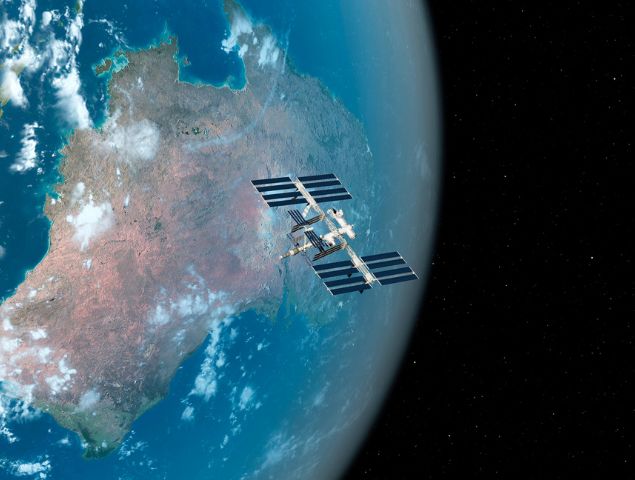
A meteorite is a natural fragment from outer space that reaches the Earth’s surface. Most of these fragments come from asteroids, but some also come from the Moon or Mars. Before entering the atmosphere, these objects are called meteoroids. When they burn their way across the sky, they are called meteors. If they survive and hit the ground, they become meteorites.
These stones from the sky have always fascinated us. They are a direct link to the formation of the solar system and tell a story that is billions of years old.
Where do meteorites come from?
Most meteorites come from the asteroid belt between Mars and Jupiter. Collisions between these celestial bodies eject rocky fragments into space. Some of these fragments then cross the Earth’s orbit.
In rare cases, a sufficiently violent impact on the Moon or Mars expels pieces of their surface. These fragments then travel through space before falling to Earth. This is how Martian and lunar meteorites, some of the rarest known, come into being.
How does a meteorite arrive on Earth?
When a space fragment enters the Earth’s atmosphere, it reaches extreme speed. Friction with the air causes intense heating. The surface partially melts, forming a dark fusion crust. Once the deceleration phase is over, the meteorite falls to the ground, sometimes in several fragments.
Meteorites are more easily found in deserts and polar regions. The contrast with the ground makes them easier to identify.
Major meteorite types
Stony meteorites
Stony meteorites are the most common. They are composed mainly of silicates. Some, called chondrites, are among the oldest known materials in the solar system. Others, rarer, come from differentiated bodies such as Mars.
Iron meteorites
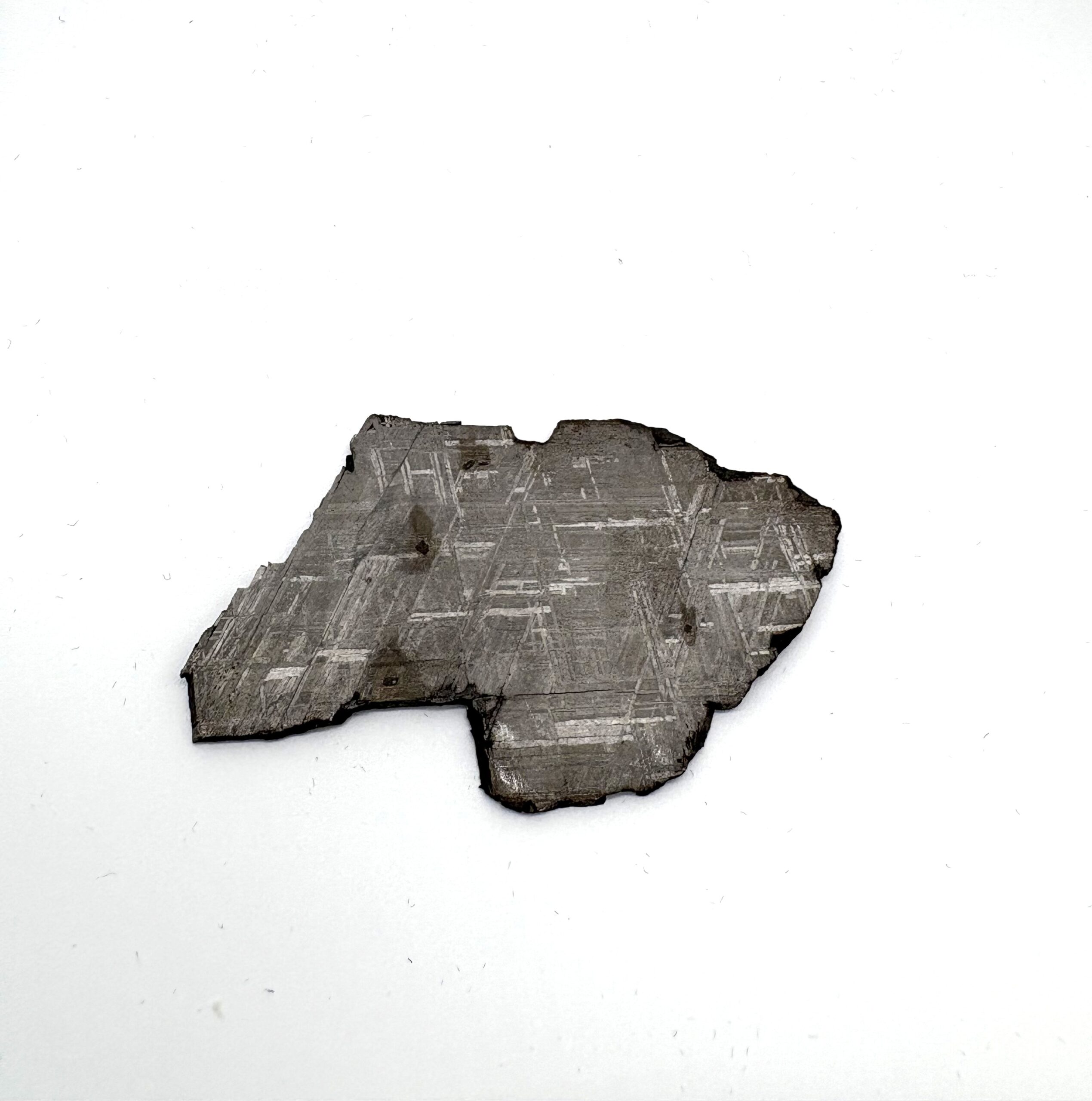
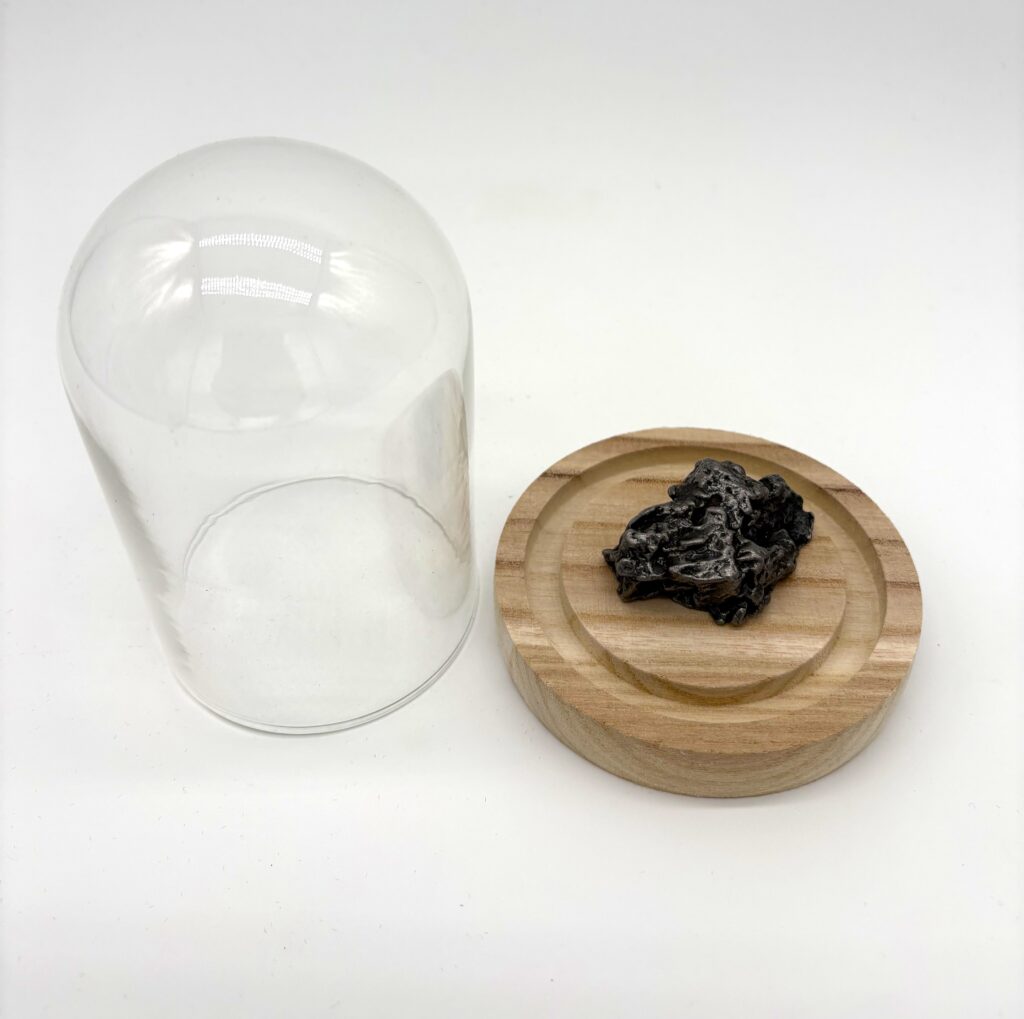
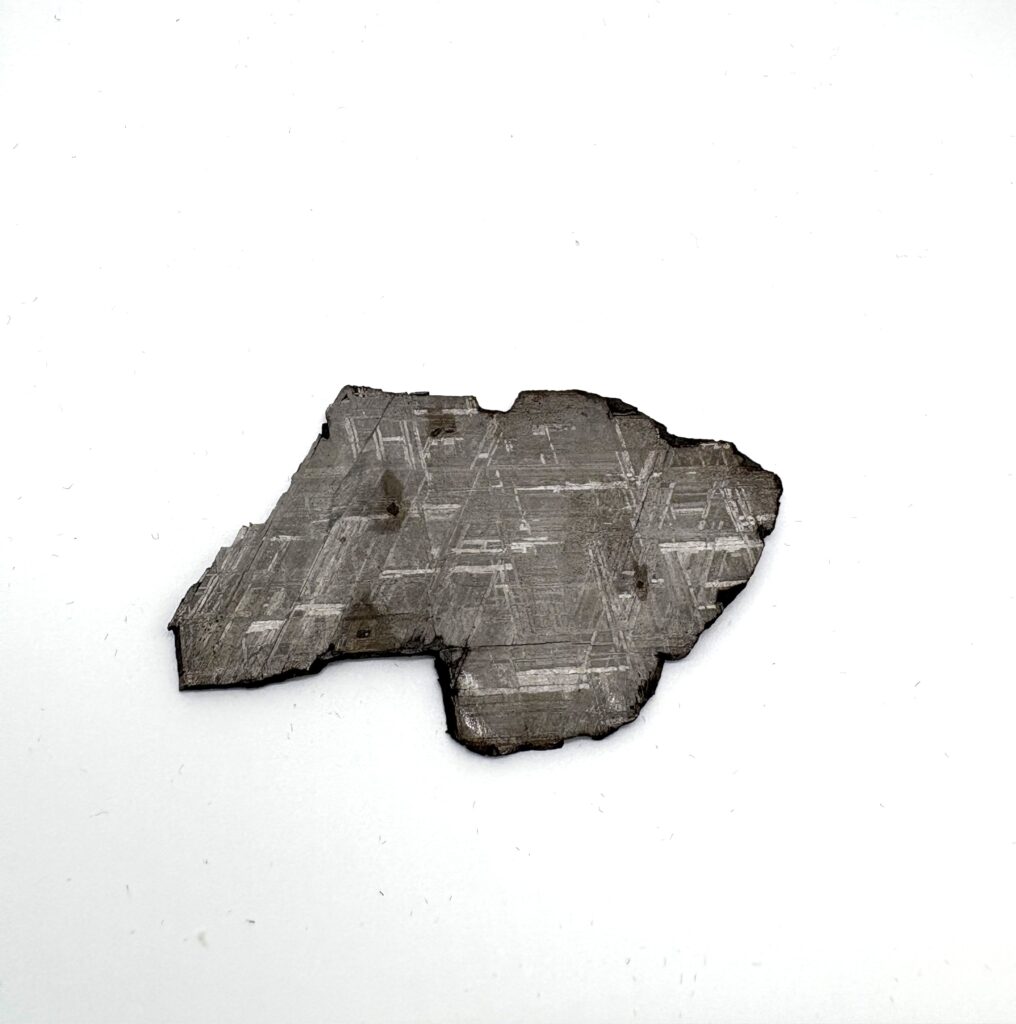
Iron meteorites are composed mainly of iron and nickel. They come from the cores of ancient, destroyed asteroids. Their high density and metallic appearance make them easily recognizable. Famous meteorites such as Campo del Cielo or Aletai belong to this category.
Mixed meteorites
Stony-iron meteorites combine metal and silicates. They are much rarer. Some, like pallasites, contain visible, highly aesthetic olivine crystals.
The special case of Libyan glass
Libyan glass is not a meteorite in the strict sense. It is an impactite formed by the impact of a large celestial body on Earth. The extreme heat melted the desert sand, creating a natural translucent yellow glass. This material has been used since Antiquity, and is notably found in ancient jewelry.
How do you recognize a real meteorite?
A genuine meteorite often has a dark fusion crust. It is generally denser than terrestrial rock. Many contain iron and react to a magnet. The interior is compact and bubble-free, unlike volcanic slag.
However, reliable identification can only be made by an expert. That’s why it’s essential to buy from specialist dealers offering certified parts.
Why collect meteorites?
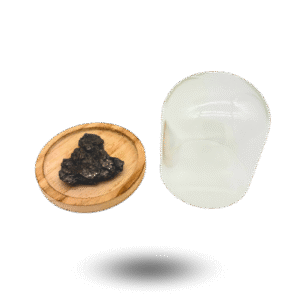
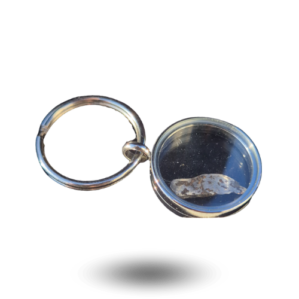
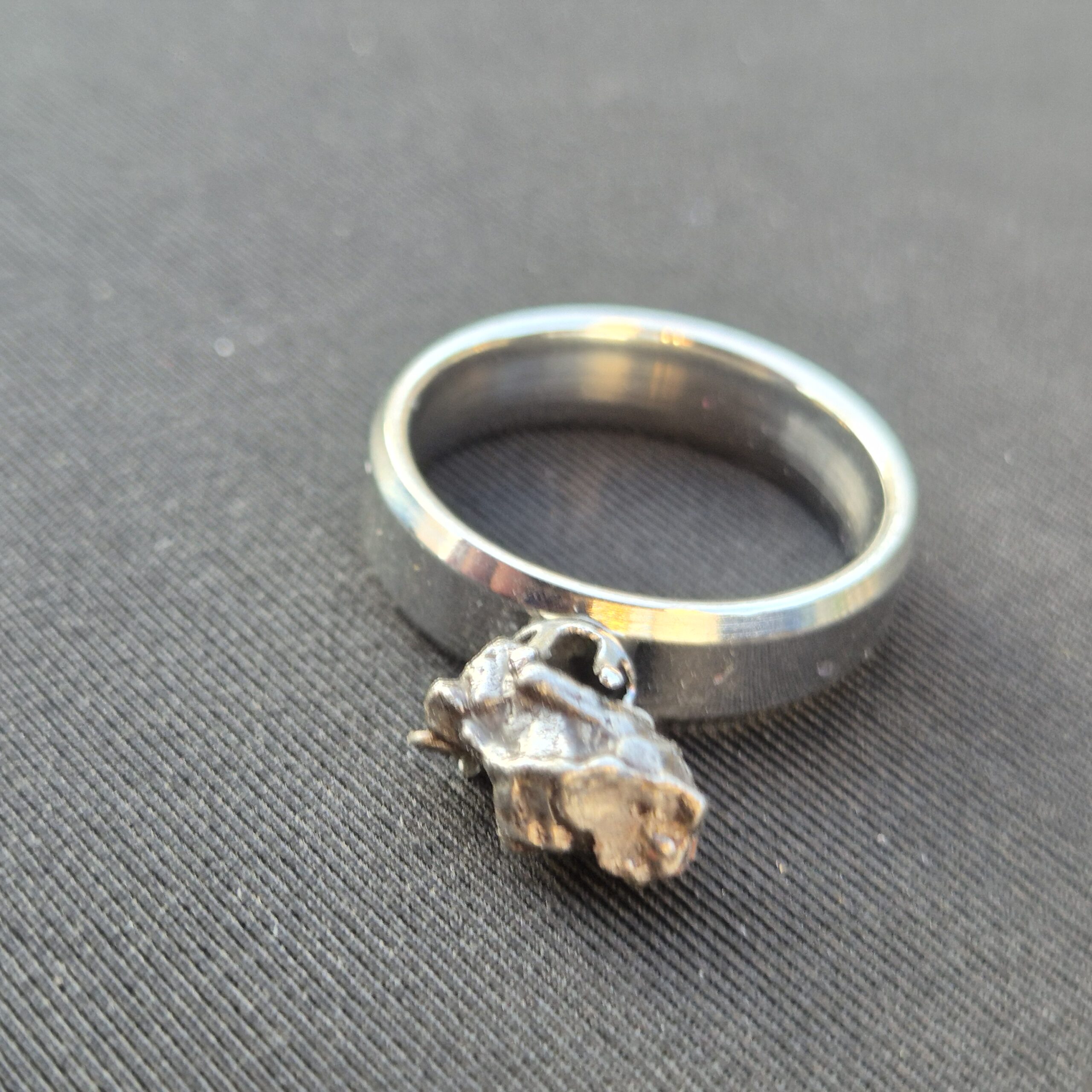
To own a meteorite is to hold a real fragment of the cosmos. Each piece is unique. It can be kept raw, displayed in a frame or integrated into a piece of jewelry. Meteorites combine scientific, emotional and aesthetic value.
In conclusion
Meteorites are direct witnesses to the history of the solar system. Whether iron, stone or Martian, they offer a tangible link with outer space. For enthusiasts and the curious alike, they represent a timeless object of discovery and fascination.
FAQ
A space fragment that has survived its journey through the atmosphere and reached the ground.
No. Some also come from the Moon or Mars.
No, but it is linked to an ancient cosmic impact.
Yes, possession is legal in most countries.
By buying from specialist sellers with certificates.
-
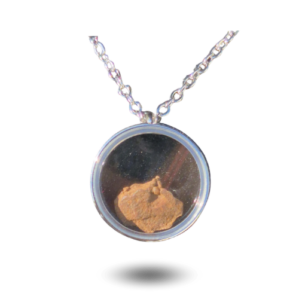
Natural stone pendant with rough Gebel Kamil
59,00 € -
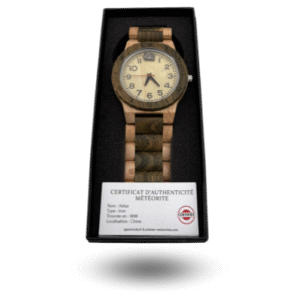
Wooden watch with Aletai meteorite in the dial
200,00 € -
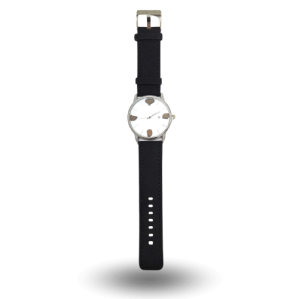
Meteorite watch NWA 14093 – Black leather strap & white dial
100,00 € -
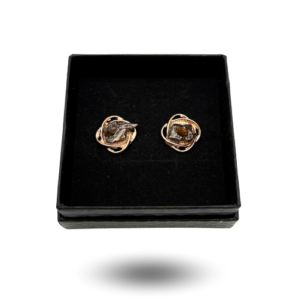
Natural stone earrings – Campo del Cielo & NWA 14093, rose gold color finish
68,00 € -
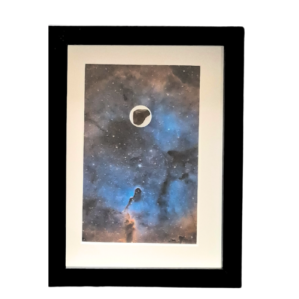
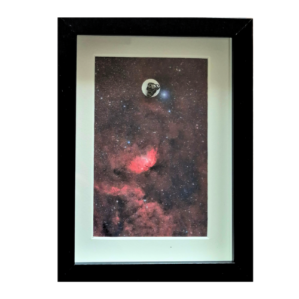
Deep sky photography – Elephant trumpet and Gebel Kamil meteorite
40,00 € -
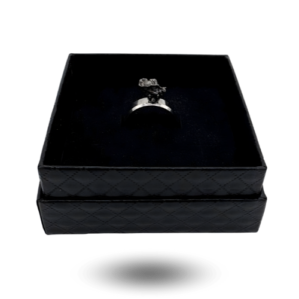
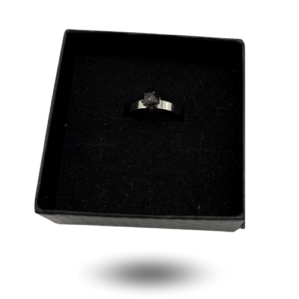
Smooth metal ring set with a Campo del Cielo – cosmic jewelry
72,00 € -
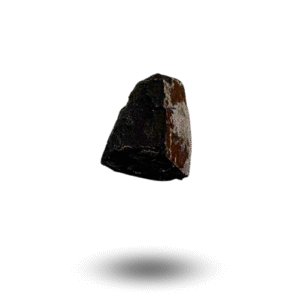
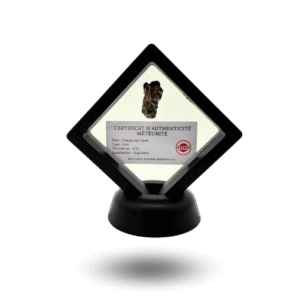
Slice of Saint-Aubin meteorite – French specimen with black case
150,00 € -
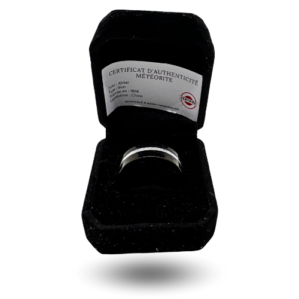
Black ring with thin Aletai meteorite band
75,00 € -
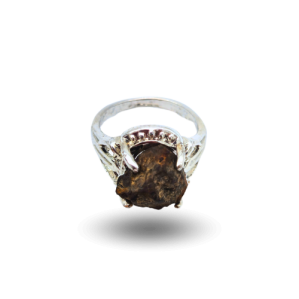
Ring Chondrite Steel NWA XXX
60,00 €