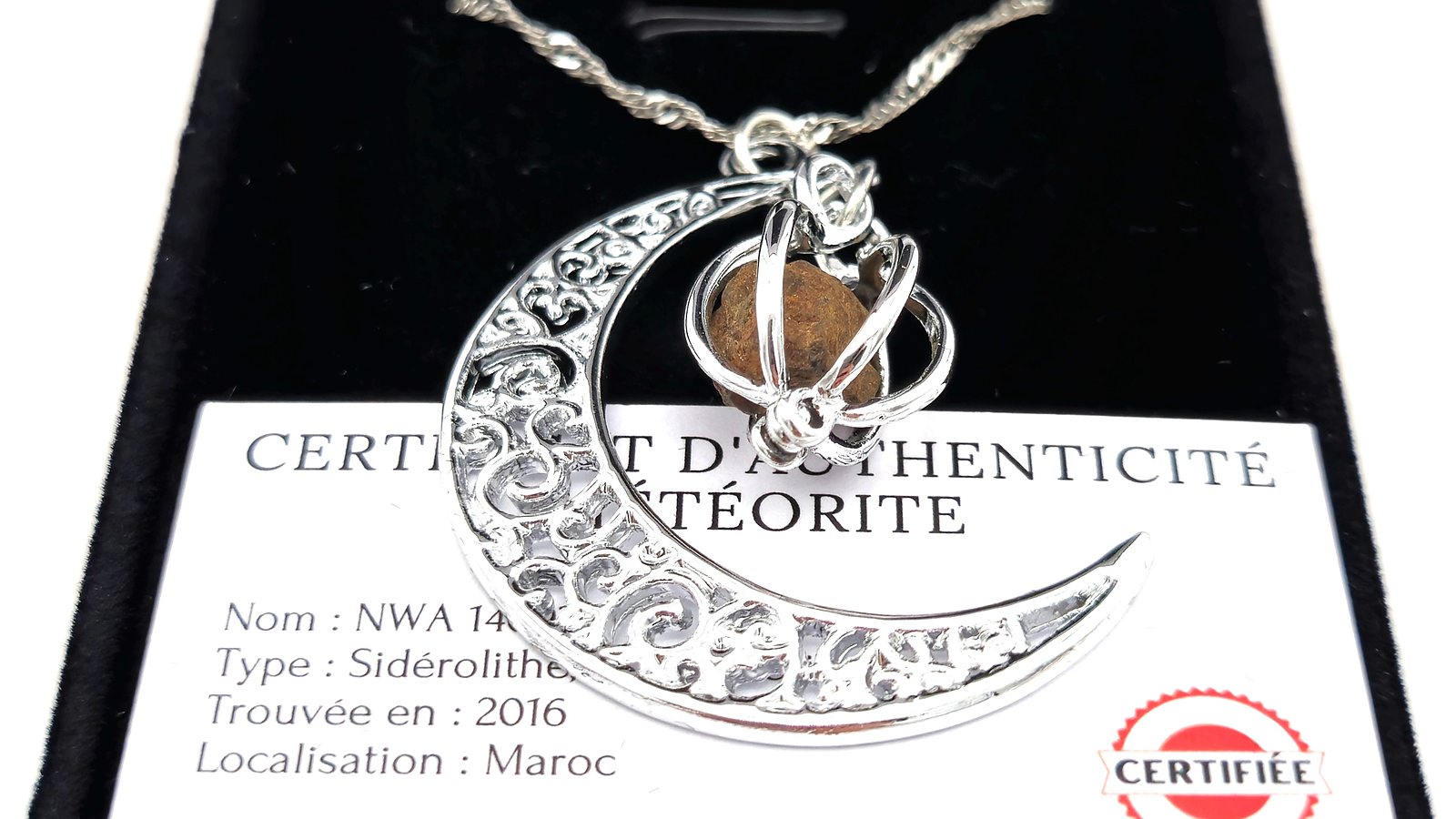
A meteorite certificate of authenticity must include the meteorite’s official name, its classification, the location and date of its fall or discovery, the mass of the specimen, and the seller’s identity. The name is then verified in the Meteoritical Society’s database: this is what links the specimen to an actual meteorite.
“Certified meteorite”: You see this label everywhere, from online marketplaces to specialty stores. But a certificate is only as valuable as its contents and the person who signs it. Here’s how to read it—and what it absolutely must include.
What a certificate is for (and what it isn’t for)
There is no official certificate issued by the government for meteorites. The certificate is issued by the seller: it is a written statement regarding the identity of the specimen. It does not transform a rock into a meteorite, but it allows the specimen to be traced back to a registered meteorite, and it is binding on the person who signed it.
Scientific evidence, however, lies elsewhere: every recognized meteorite has been studied by a laboratory, and its name has been validated by the Nomenclature Committee of the Meteoritical Society, the international scientific society that maintains the meteorite registry. A portion of the meteorite—usually 20 grams or 20 percent of its mass if it is smaller—is then deposited in a scientific collection.
Required Information
Note
Example
Why It’s Important
Official Name
Campo del Cielo, NWA 14093, Laâyoune 003
This is the only verifiable entry in the international registry.
Classification
Octahedrite iron IAB, H6 chondrite, mesosiderite, lunar
This indicates the type of rock and determines its value.
Location and Date
Chaco (Argentina), known since 1576
It distinguishes between an observed fall and a discovery, and pinpoints the location of the discovery.
Mass of the part
2.4 g, fragment
This allows the certificate to be matched to the received object.
Identified Seller
Name, address, contact information
An anonymous certificate is not binding on anyone.
Date, number, or photo
No. 0142, photo of the item
They prevent the same certificate from being used for multiple items.
For a piece of jewelry, the certificate pertains to the set fragment: it specifies the meteorite used, not the weight of the entire piece of jewelry.
Check the name in the Meteoritical Society’s registry
All recognized meteorites are listed in the Meteoritical Bulletin Database, which is available for free online. Enter the name listed on the certificate: you’ll see the classification, the country, the year of fall or discovery, and the known total mass. If the classification on the certificate doesn’t match the one in the registry, or if the name doesn’t exist, be wary.
A valid name alone does not prove that your fragment comes from that meteorite: this is where trust in the seller comes into play. Some dealers are members of the IMCA (International Meteorite Collectors Association), whose members adhere to a code of ethics; their membership number is often listed on the certificate.
The Case of “Unclassified” Meteorites
A large portion of the meteorites on the market come from the Sahara. Many fragments are sold there without having been studied, under the designation “unclassified NWA” (NWA stands for Northwest Africa). This isn’t a scam as long as it’s clearly stated: these are most often ordinary chondrites—authentic but without a specific name. Their price simply reflects this fact. We explain these three letters in our article on NWA meteorites.
Good to know: A classified meteorite (NWA 13290, NWA 14093…) has been studied in a laboratory. For the same size, it’s worth more than an unclassified fragment and is easier to resell.
Warning Signs
a certificate that does not specify the name of the meteorite, but only states “authentic meteorite” or “extraterrestrial iron”;
no seller identification, or just a pseudonym;
a “lunar” or “Martian” meteorite without an official name: these specimens are rare and always have a name;
a price that bears no relation to the claimed rarity;
a photo of the specimen that does not resemble the item received.
If you have doubts about a stone, a few simple tests (magnet, density, fusion crust) can help you narrow down your options: we detail these in our article on how to recognize a real meteorite. Jewelry sold for just a few euros also warrants a close look: see our guide on imitation meteorite jewelry.
Our pieces and their certificates
Each Space Rocks piece comes with a certificate of authenticity that lists the name of the meteorite used: Campo del Cielo, Aletai, Gebel Kamil, Muonionalusta, NWA 13290, NWA 14093, Laâyoune 003, or Amgala 001. On several frames, the certificate is even visible on the front, next to the fragment.
Keep your certificate
Keep it with the specimen, and take a photo of it. It will come in handy if you resell it, pass it on, or simply want to trace its history. A piece with a known provenance (who sold it, when, and under what name) retains its value much better than an untraceable fragment. If you’ve lost it, ask the seller for a duplicate: a reputable dealer keeps records of their sales.
Frequently Asked Questions
Is a certificate of authenticity required to sell a meteorite?
No, there is no law requiring this in France. It is standard market practice and a sign of reliability: a seller who refuses to provide the meteorite’s name in writing is not someone you should trust with your money.
Who issues a meteorite certificate?
The seller. The scientific classification, on the other hand, is determined by a laboratory and then validated by the Meteoritical Society, which publishes the official name in its online registry.
How can you verify that a meteorite name exists?
By searching for it in the Meteoritical Bulletin Database, the Meteoritical Society’s free database. It provides the classification, location, year, and known total mass of each recognized meteorite.
Is an “unclassified” meteorite a fake meteorite?
Not necessarily. These are often genuine chondrites from the Sahara that haven’t been studied in a lab. They’re less expensive, and the seller must make that clear.
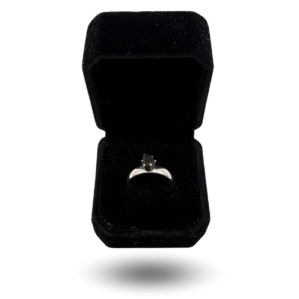
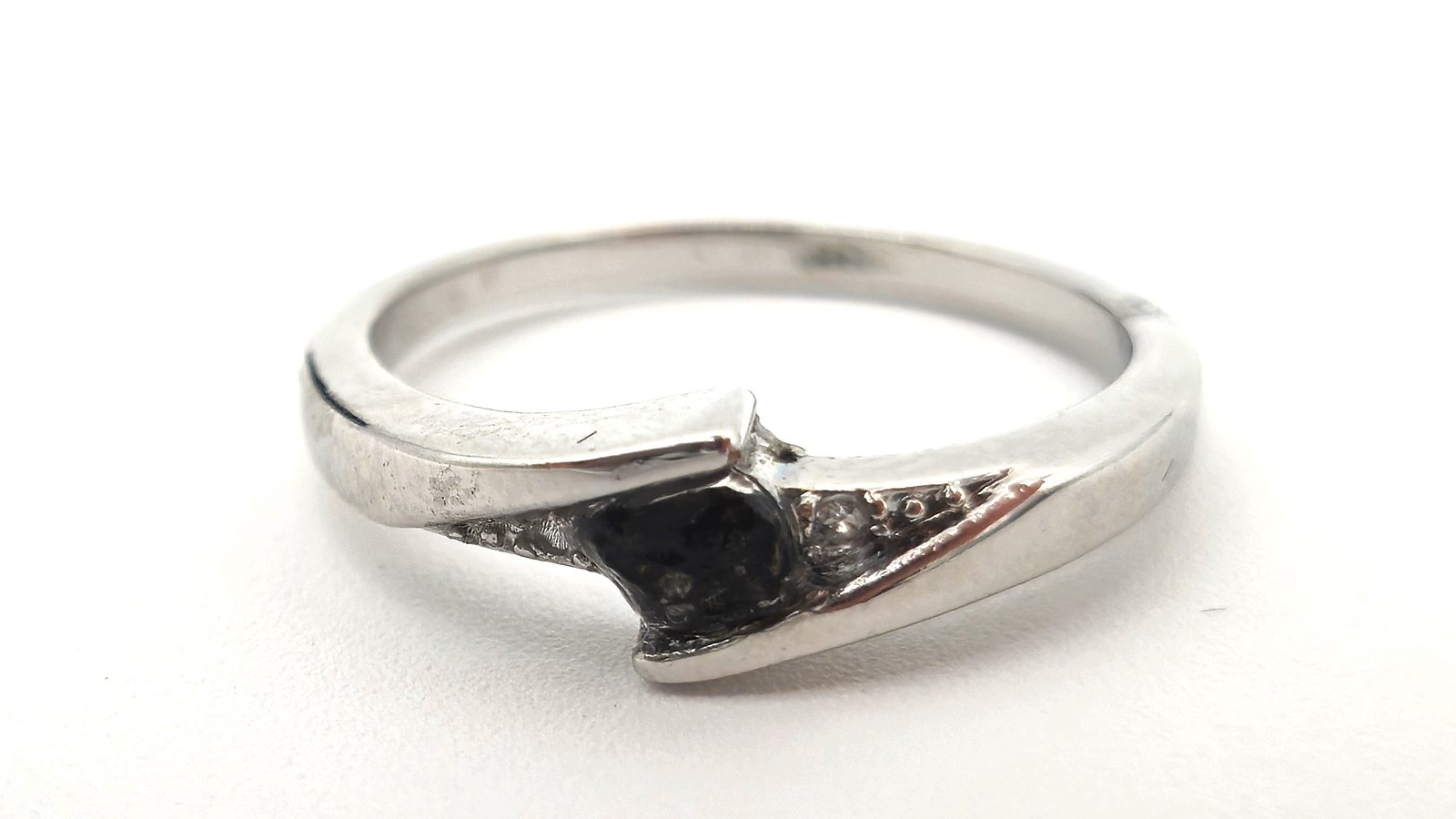
When choosing a meteorite ring, the first consideration is how the meteorite is incorporated into the design: a raw fragment set into the band, a strip of meteorite metal inlaid into the band, or a stone (chondrite, lunar meteorite) mounted like a gem. Next, check the size, the material of the ring, and whether it comes with a certificate identifying the meteorite.
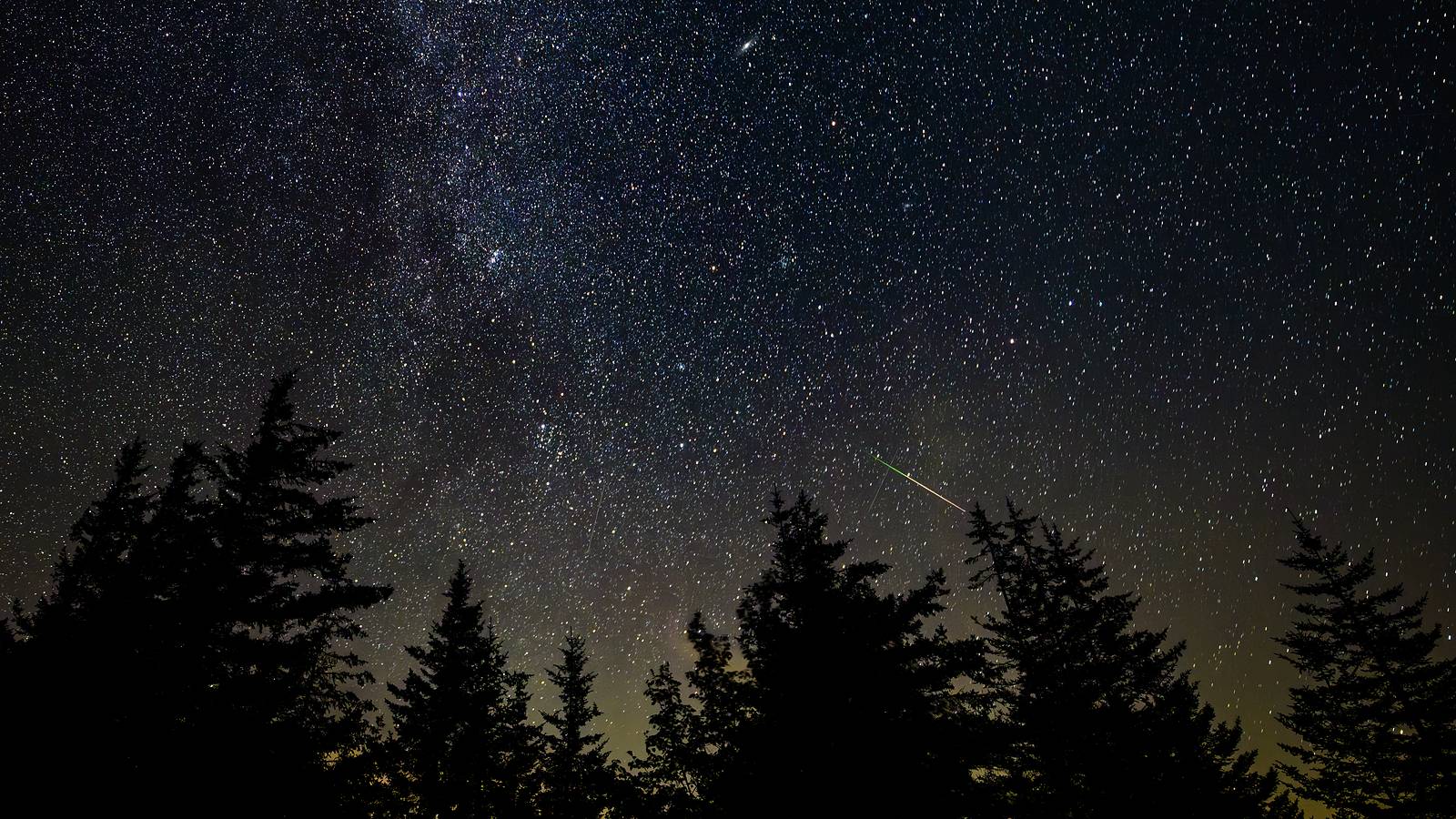
Major meteor showers return every year on the same dates: the Quadrantids in early January, the Lyrids in late April, the Perseids in mid-August, the Orionids in late October, the Leonids in mid-November, and the Geminids in mid-December—the most active of the year. To see them, look up on the night of their peak, after midnight, away from bright lights.
A meteorite certificate of authenticity must include the meteorite's official name, its classification, the location and date of its fall or discovery, the mass of the specimen, and the seller's identity. The name is then verified in the Meteoritical Society’s database: this is what links the specimen to an actual meteorite.
To provide the best possible experience, we use technologies such as cookies to store and/or access information on devices. Consent to these technologies will enable us to process data such as browsing behaviour or unique identifiers on this website. Failure to give consent, or withdrawal of consent, may adversely affect certain features and functions.
Functional
Always active
Storage or technical access is strictly necessary for the legitimate interest of enabling the use of a specific service explicitly requested by the subscriber or user, or for the sole purpose of transmitting a communication over an electronic communications network.
Preferences
Storage or technical access is necessary for the legitimate interest of storing preferences that are not requested by the subscriber or user.
Stats
Storage or technical access used exclusively for statistical purposes. Storage or technical access used exclusively for anonymous statistical purposes. In the absence of a court order, voluntary cooperation from your internet service provider or additional records from a third party, information stored or retrieved for this purpose alone cannot generally be used to identify you.
Marketing
Storage or technical access is required to create user profiles for the purpose of sending adverts, or to track the user across a website or across several websites with similar marketing purposes.