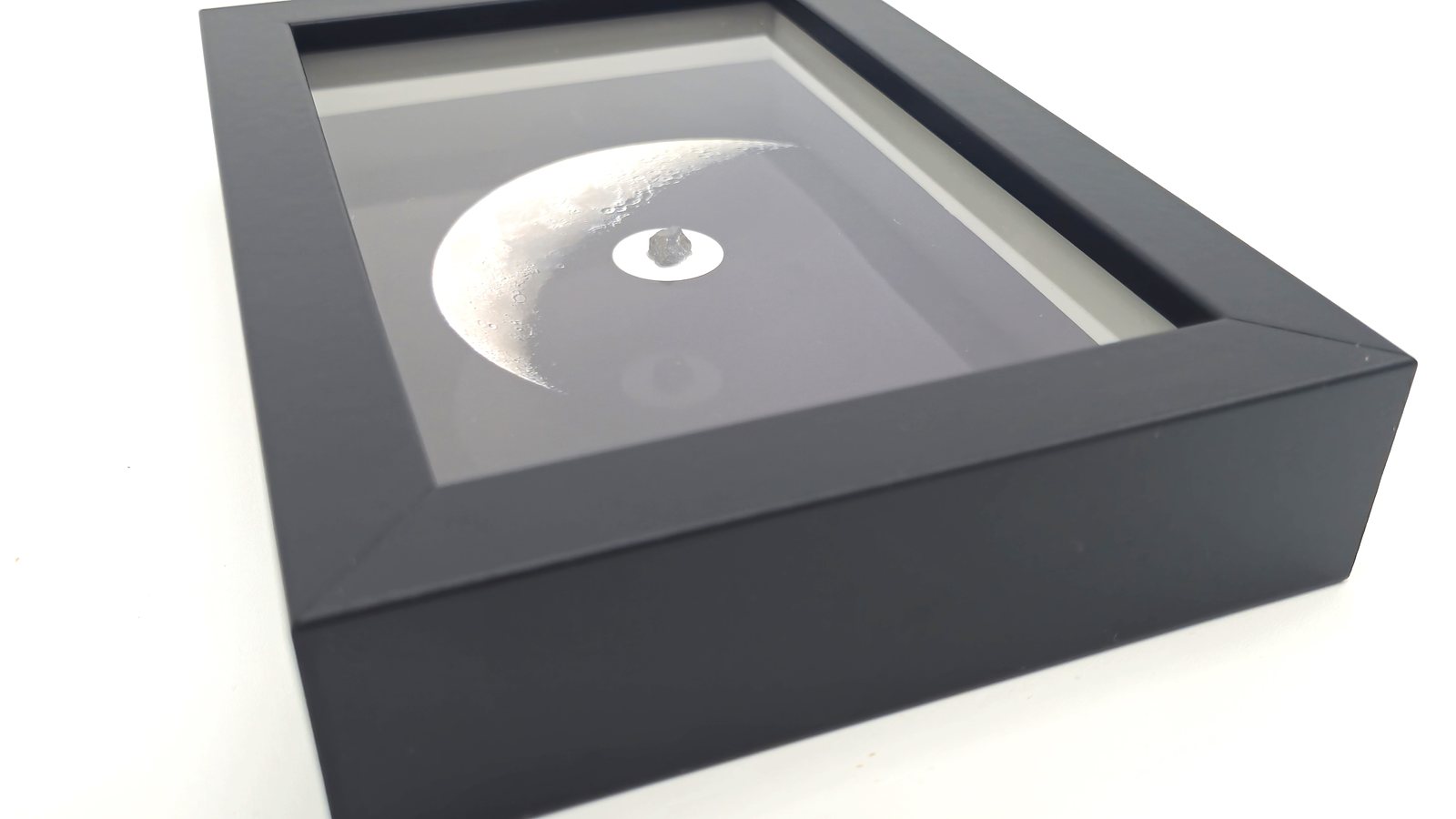
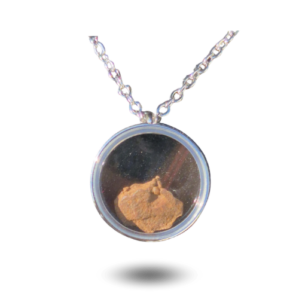
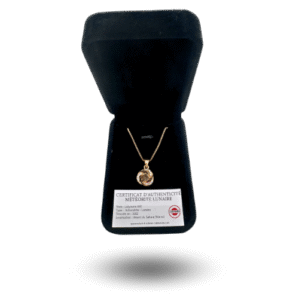
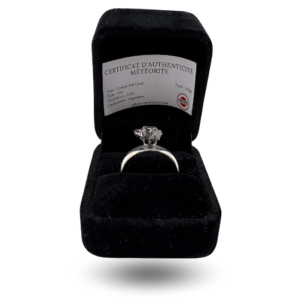
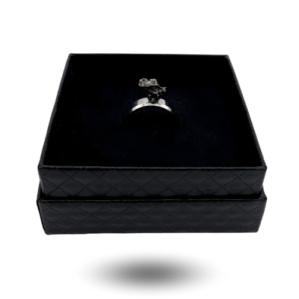
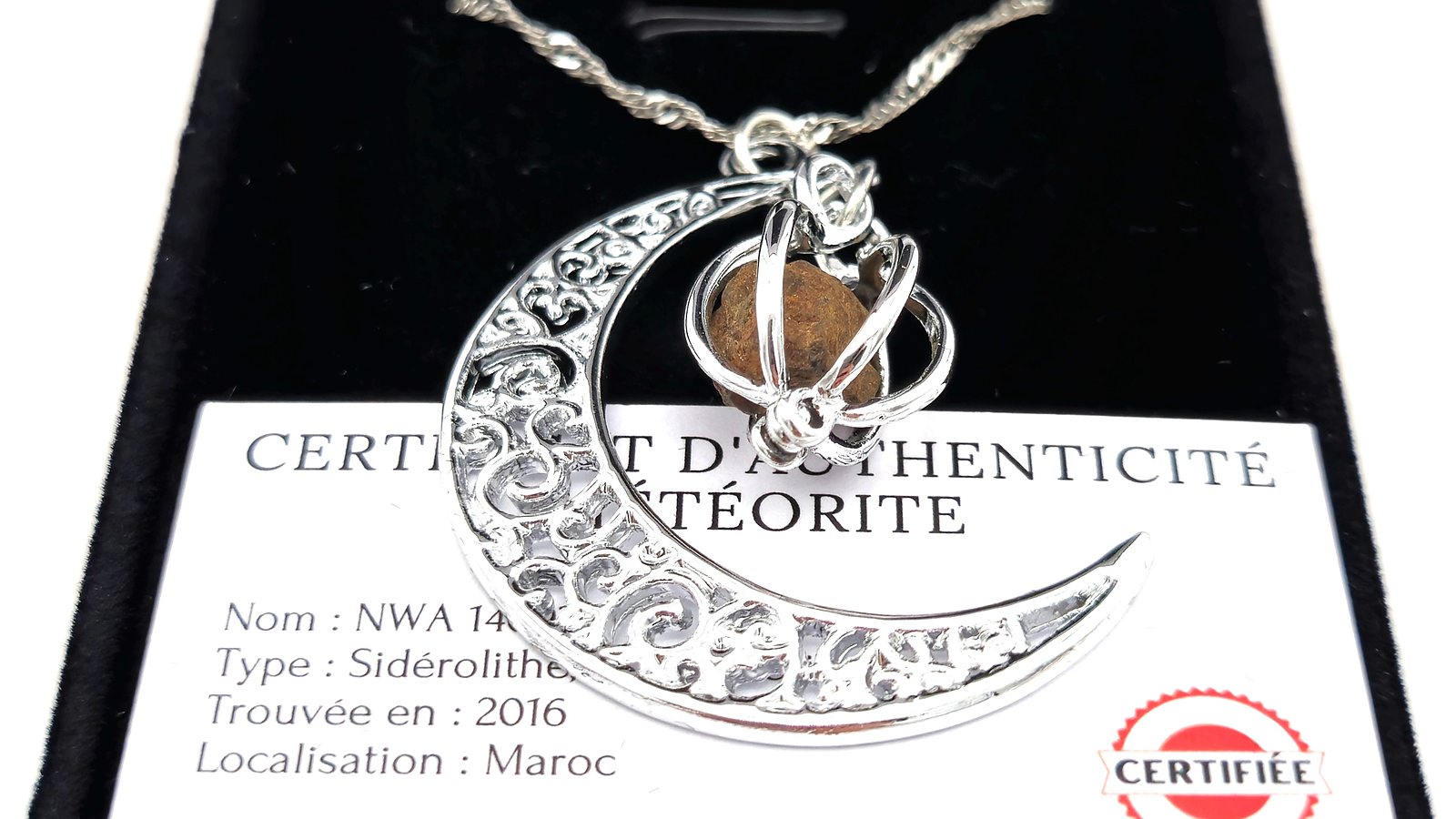
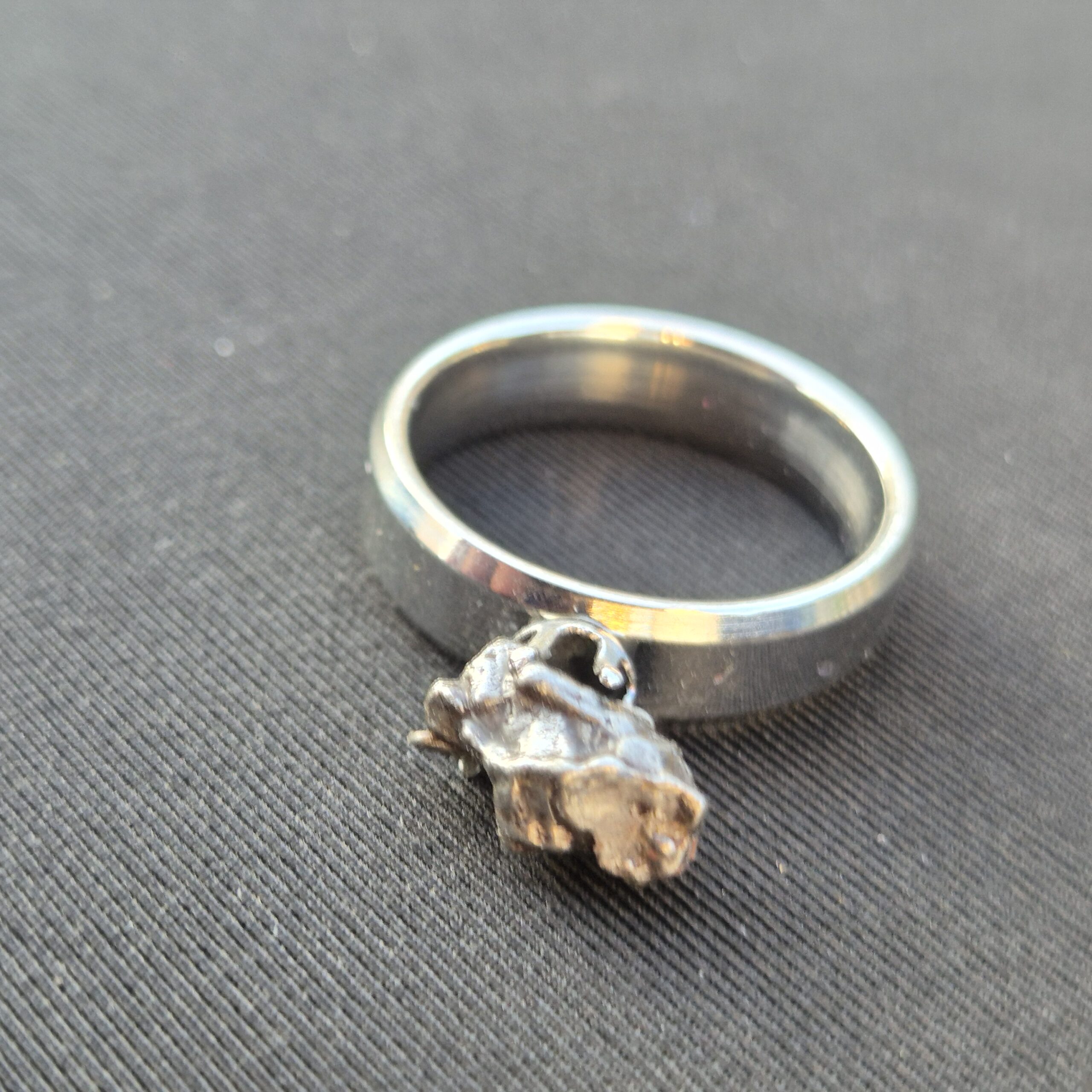
For an astronomy enthusiast, the most memorable gift is still a real meteorite: a fragment of Campo del Cielo in a display case for less than €50, a piece of jewelry set with extraterrestrial iron for around €70, or a framed astrophotograph accompanied by a fragment. In any case, be sure to ask for a certificate of authenticity.
Giving a telescope to someone who has been stargazing for years is risky: they already have their own equipment and very specific technical requirements. A beautiful book is a nice gift, but it’s quickly forgotten on a shelf. A meteorite, however, is in a class of its own: it’s an object that many enthusiasts dream of but never treat themselves to.
Why a meteorite makes a bigger impression than any other gift
A meteorite isn’t just a picture of space—it’s a piece of space. The Campo del Cielo iron meteorite fell in Argentina about 4,000 years ago, but it formed 4.5 billion years ago inside an asteroid. Holding it in your hand evokes a feeling that no photograph can replace.
It’s also a gift with a story to tell. Each piece has an official name, a discovery site, and a story—one that the recipient can explore further, for example, through our article on the Campo del Cielo meteorite or on Gebel Kamil, which fell in the Egyptian desert.
How much should I budget for this?
Less than €50: a genuine fragment, in a “discovery” format
At this price, you can find authentic fragments presented in a display case, resin keychains containing a meteorite, or 15 × 20 cm frames combining a photo of the sky with a small fragment. The piece is modest in size, but not in origin: it is authentic and comes with a certificate.
From €50 to €100: jewelry you can wear
This is the most popular option, because it opens the door to the world of jewelry. A ring, pendant, or earrings set with meteorite transform the gift into an everyday accessory: you don’t tuck it away in a display case—you wear it—and people will ask you about it. Our guide to choosing a meteorite ring will help you find the right one.
From €100 to €200: The Moon, Mars, and Character Coins
We enter the realm of lunar (Laâyoune 003) and Martian (Amgala 001) meteorites, Nordic gold medallions cast in our workshop in Île-de-France, a slice of the Saint-Aubin meteorite—the largest found in France—and wooden watches whose dials feature meteorite fragments. These make perfect gifts for special occasions: milestone birthdays, retirement, or joint gifts.
Over €200: the collector’s item
A thin slice of Muonionalusta, showing the Widmanstätten patterns formed as the metal cooled in space; a watch set with four Martian fragments; or a display under a glass dome. At this level, the object also has a heritage dimension: a classified and documented meteorite is passed down through the generations.
Can you really give someone a piece of the Moon or Mars?
Yes, and it’s perfectly legal. Lunar and Martian meteorites are rocks torn from their celestial bodies by an impact, which traveled through space before falling to Earth. They have nothing to do with the samples brought back by the Apollo missions, which belong to NASA and are not for sale.
Laâyoune 003, for the Moon, and Amgala 001, for Mars, have official names registered by the Meteoritical Society, the scholarly society that catalogs all meteorites. To understand what determines the value of a lunar specimen and how to verify its authenticity, read our guide to buying a lunar meteorite.
Choose based on the person
- The methodical collector: a specimen with an official name and classification (H6 chondrite, mesosiderite, shergottite…), rather than a decorative object.
- The aesthete: a polished cross-section displaying Widmanstätten patterns, or a frame in which the photograph of the sky is as beautiful as the stone itself.
- The jewelry wearer: a ring, pendant, or watch, in the same finish they already wear (steel, gold-plated, wood).
- The curious child or teenager: a fragment in a display case, to be examined with a magnifying glass, along with its certificate to read together.
- Forthe person who already has everything: a French meteorite like Saint-Aubin, or a piece from Mars.
Three Things to Check Before Buying
The meteorite market includes imitations: industrial slag, hematite, or plain cast iron sold as “meteoritic iron.” Three simple steps are enough to weed them out:
- the seller provides an official name (Campo del Cielo, NWA 13290, Muonionalusta…) and not just “iron meteorite”;
- a certificate of authenticity accompanies the piece and lists that name;
- the price is reasonable: a Martian meteorite for €10 doesn’t exist.
To learn more about this topic, check out our article on how to recognize a real meteorite.
And if you’re still on the fence
A framed astrophotograph with an embedded meteorite fragment remains the safest choice: it’s easy to hang, can be admired every day, and requires no special knowledge on the part of the recipient. It’s also the format that works best as a gift for couples or families. Browse our collection of frames or our meteorite jewelry: each piece comes with its own certificate.
Frequently Asked Questions
How much does a real meteorite cost as a gift?
An authentic fragment in a display case starts at under €50. Expect to pay €50 to €100 for a piece set in jewelry, €100 to €200 for a lunar or Martian specimen, and more for a collector’s-grade slice mounted on a stand.
Is it legal to give a meteorite as a gift in France?
Yes. There are no restrictions on the purchase, possession, or donation of meteorites in France. Only samples brought back by space missions and meteorites collected in Antarctica are exempt from commercial trade.
Is a meteorite dangerous or radioactive?
No. Its residual radioactivity is negligible, comparable to that of ordinary rock found on Earth: it can be handled without any special precautions.
Which meteorite should you give to someone who’s just starting out?
A fragment of Campo del Cielo or a Sahara chondrite in a display case: two types of specimens that are easy to examine, well-documented, and affordable—the classic starting point for a collection.
Can you wear meteorite jewelry every day?
Yes, if the fragment is protected by resin, a capsule, or a sealed mount. An iron meteorite left unprotected is susceptible to moisture and sweat and may develop rust spots.